

At the Flour Mill, we trade in more than goods and services. We trade in trust, familiarity, and connection. The kind that builds slowly, one visit at a time, until a shopkeeper knows your name, your usual order, and where you’re headed on your next holiday.
That’s the spirit Flour Mill businesses brought to Loneliness Awareness Week this year. Rather than treat it as someone else’s problem, local traders took it on as their own, dreaming up ways to bring people into the precinct, get them talking to each other, and remind the neighbourhood that connection is something our businesses live and breath.
Three events, run back to back across the week, turned the Flour Mill’s shared spaces into exactly the kind of place a precinct should be: somewhere you come for one thing and stay for the people.
Build and Belong
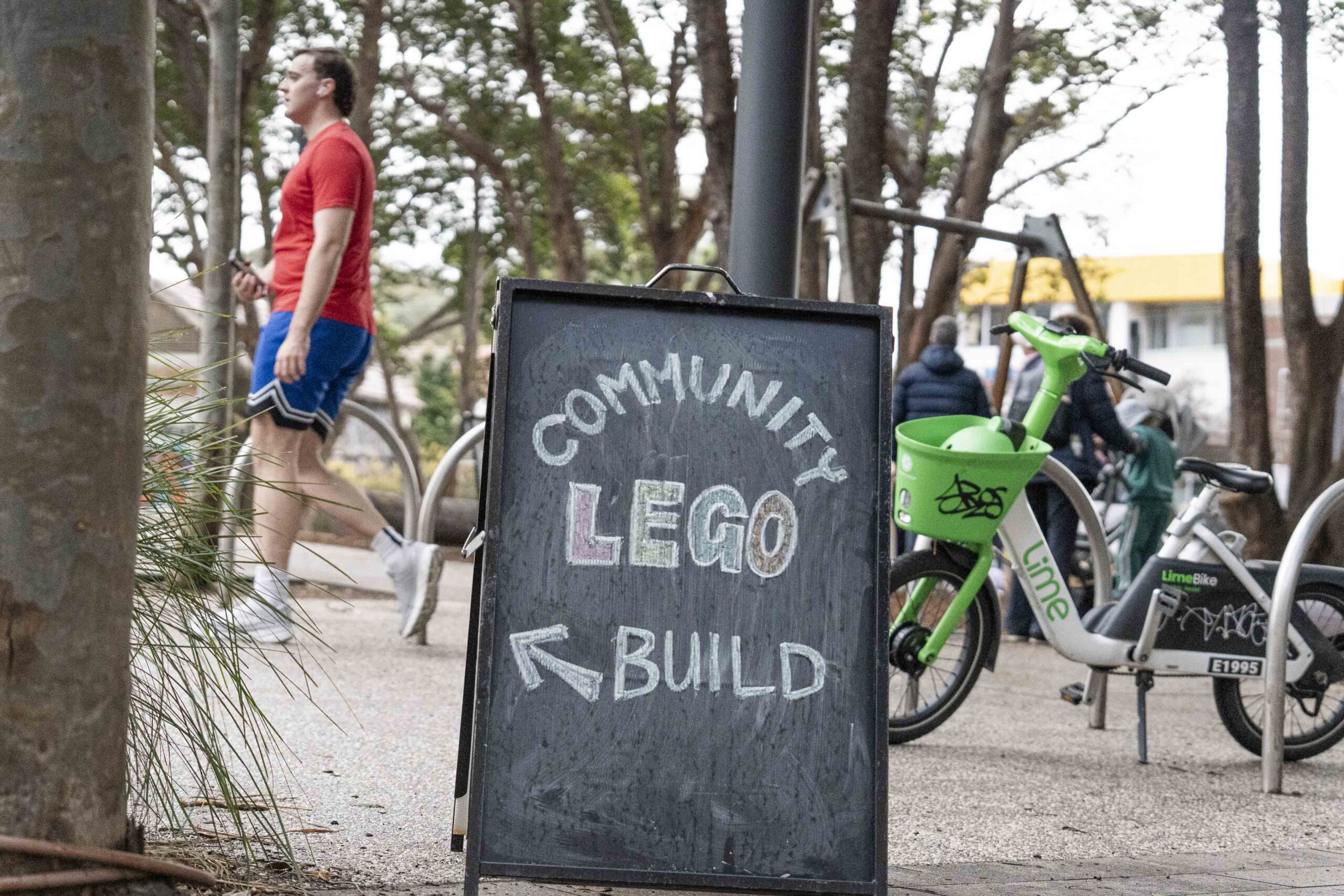
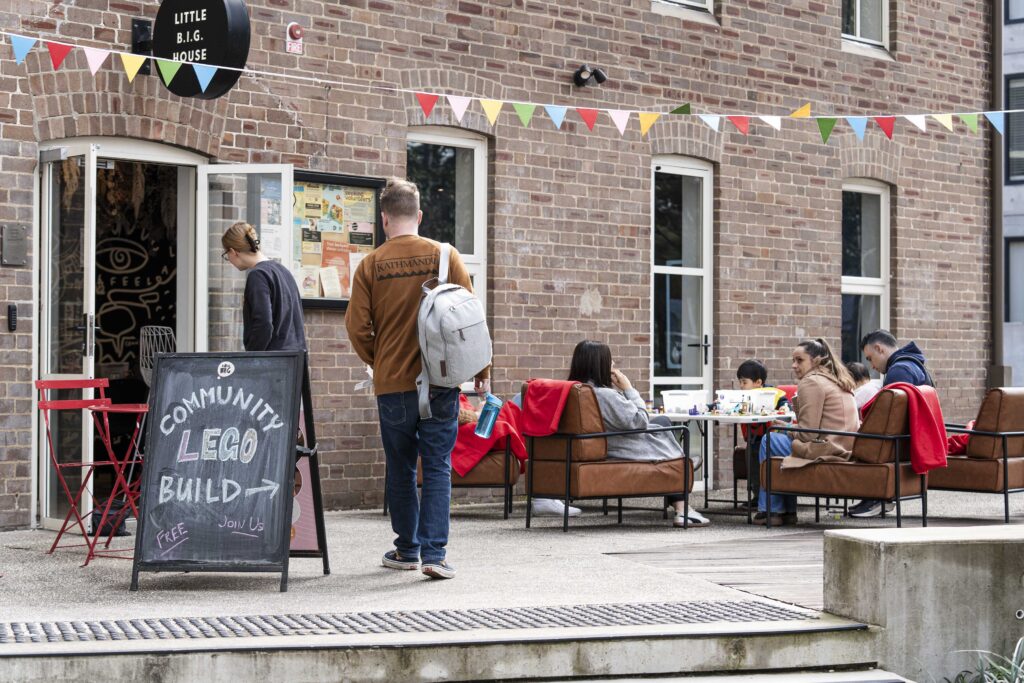
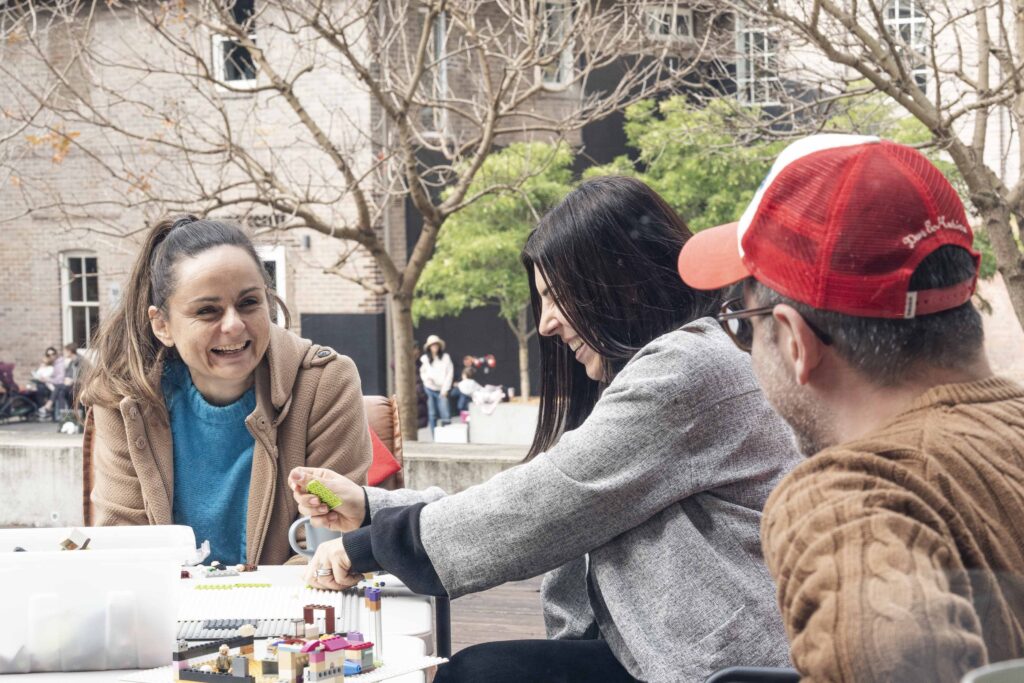
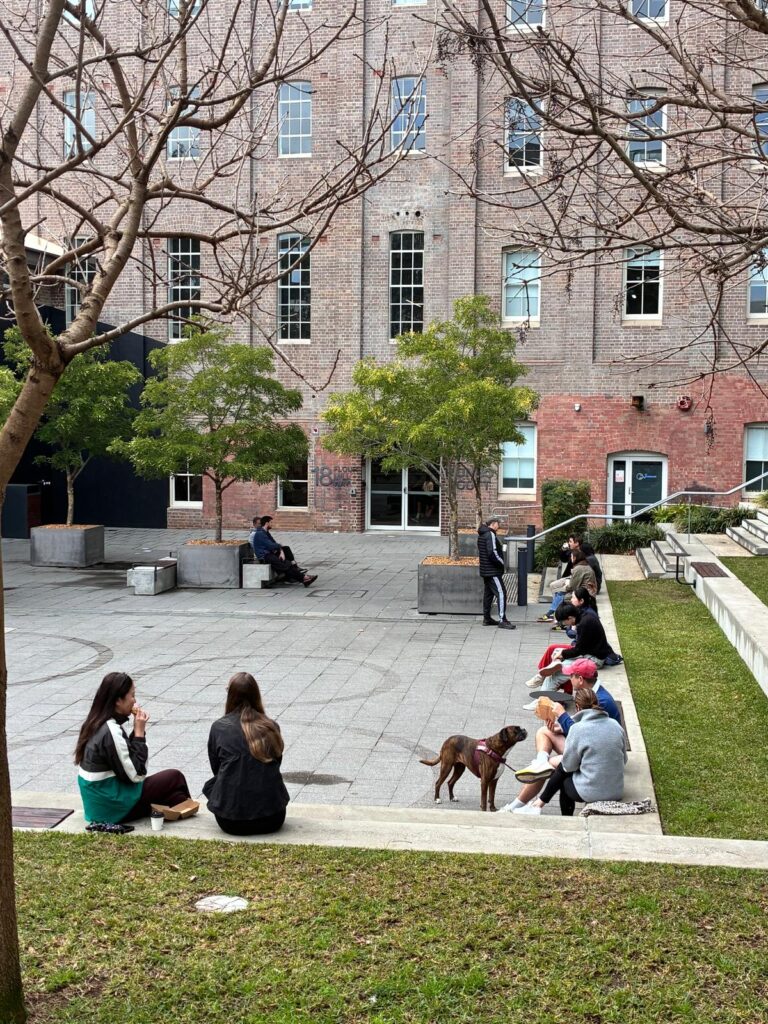
The week opened with Build and Belong, a shared LEGO experience in the Flour Mill’s outdoor living room. Almost 100 people dropped in over the course of a wet day to contribute to a community LEGO masterpiece, or simply sit down and build something of their own, grabbing a coffee, staying for lunch and browsing the retailers. This low-key, no-agenda activity welcomed genuine cross-section of the neighbourhood through the precinct on a day most people would rather have stayed home.
Make a Friend (and one to keep)
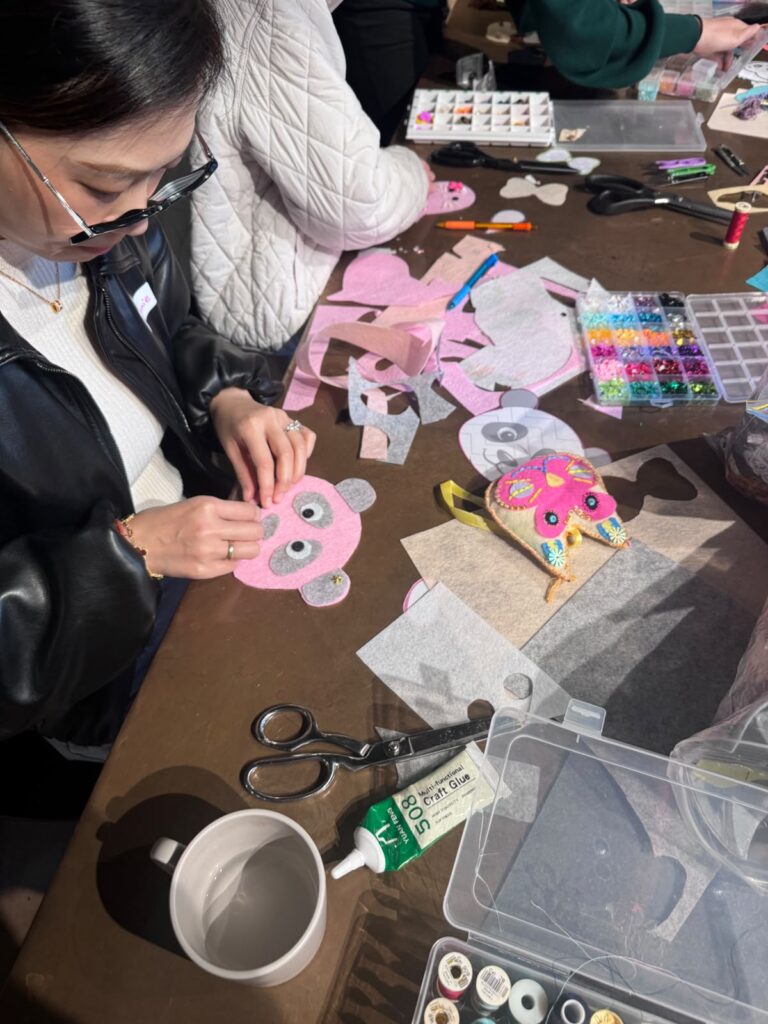
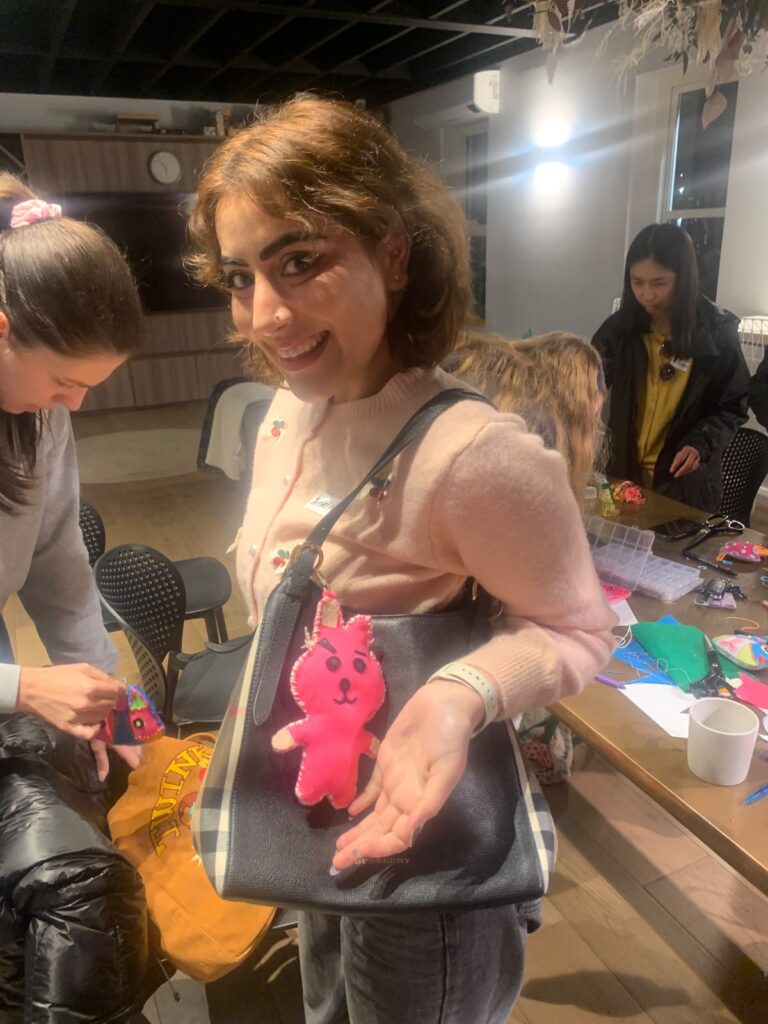
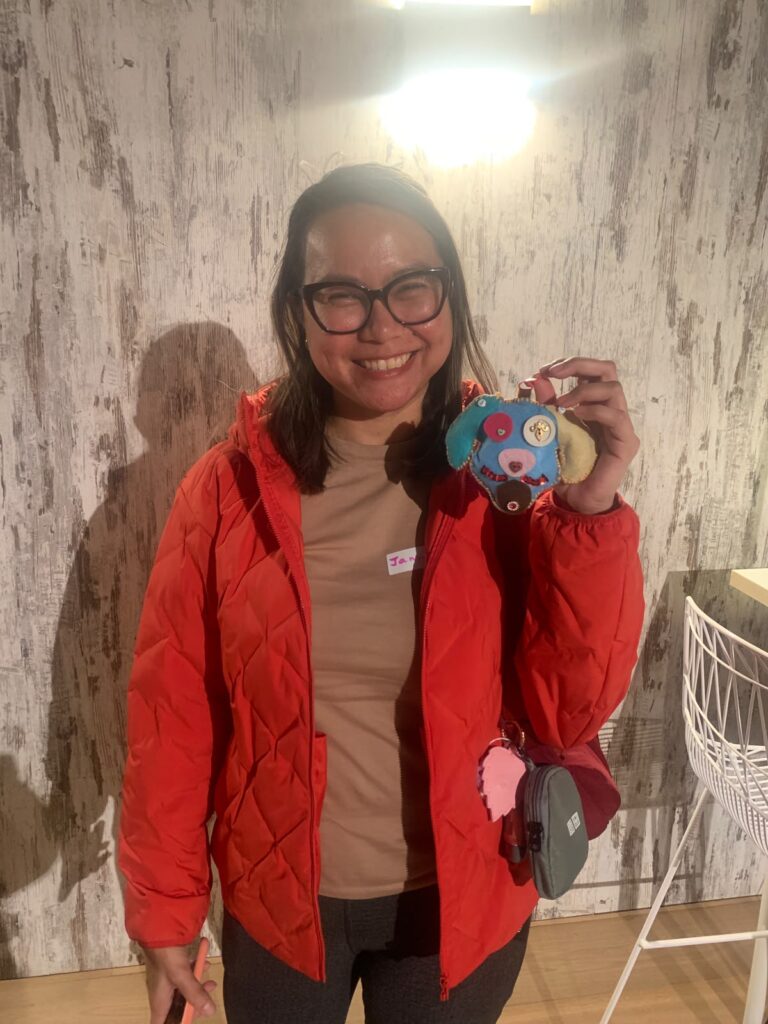
Hosted Little BIG’s popular Sew for Joy, this workshop slowed things down. Participants stitched their own one-of-a-kind felt friend; a cat, a chicken, a floppy-eared dog, or whatever their imagination came up wit, from a table of colourful felt, beads, buttons and trims. It’s the kind of event only a local business thinks to run: not because it drives immediate trade, but because a business owner who cares about their street knows that an afternoon of quiet, hands-on creativity is exactly what draws neighbours together and back into the precinct.
Hampton & French’s Puzzle Table
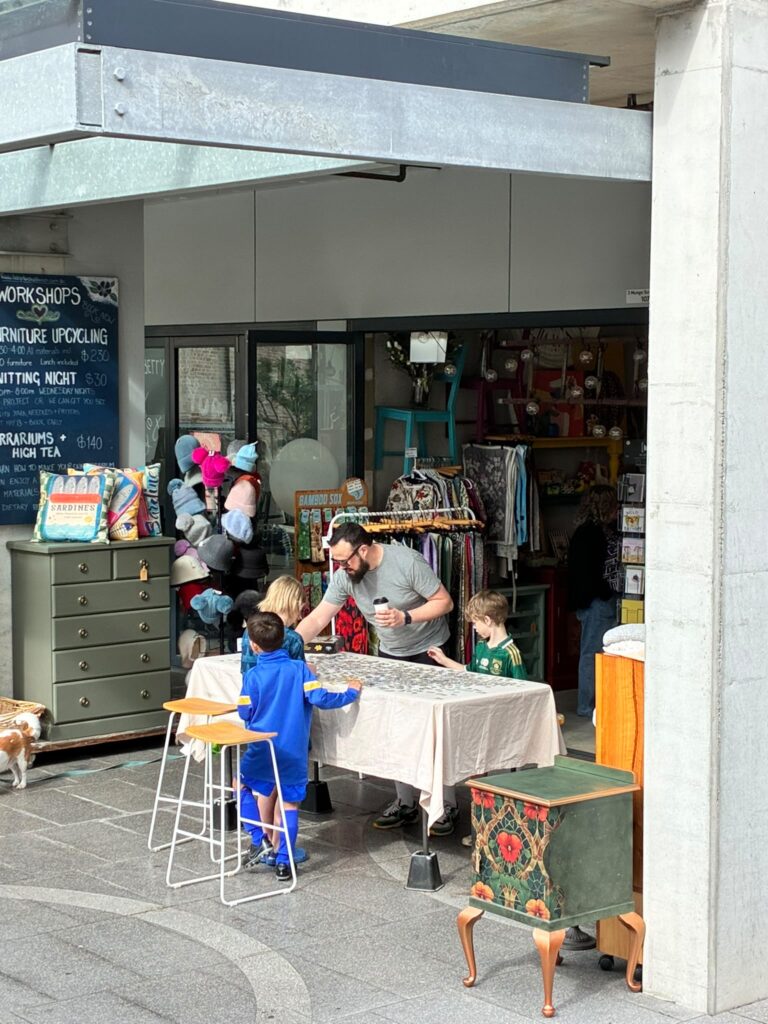
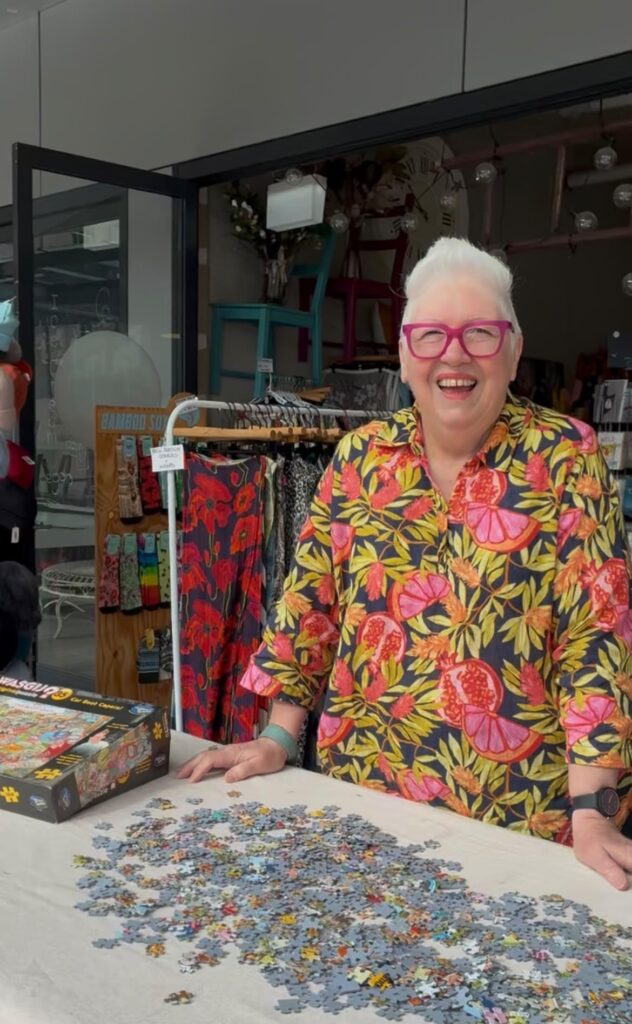
The always creative Hampton & French set up a puzzle table, an open invitation for anyone passing through to pull up a chair, pick up a piece, and chat with whoever else happened to be sitting there. No bookings, no pressure, no requirement to buy anything. Just a table, a puzzle, and the kind of easy conversation that starts when people are focused on the same small task.
The Flour Mill Markets
Not every act of connection needs a special week to justify it. The Flour Mill Markets have been doing this on repeat, long before Loneliness Awareness Week gave it a name.
Week after week, the markets turn the precinct into a reason to leave the house. A standing appointment with the neighbourhood. All our favorite stallholders, and some fresh faces, and the familiar “see you next time” as people wander between stalls, bump into someone they know, and stop for longer than they planned to. That kind of familiarity doesn’t happen by accident. It’s built one market day at a time, by traders who show up consistently enough that showing up becomes part of the rhythm of people’s lives.
If Build and Belong, Make a Friend (and one to keep), and the puzzle table were one-off invitations, the markets are the standing one, proof that a precinct doesn’t need a special occasion to bring people together.
A collective mindset
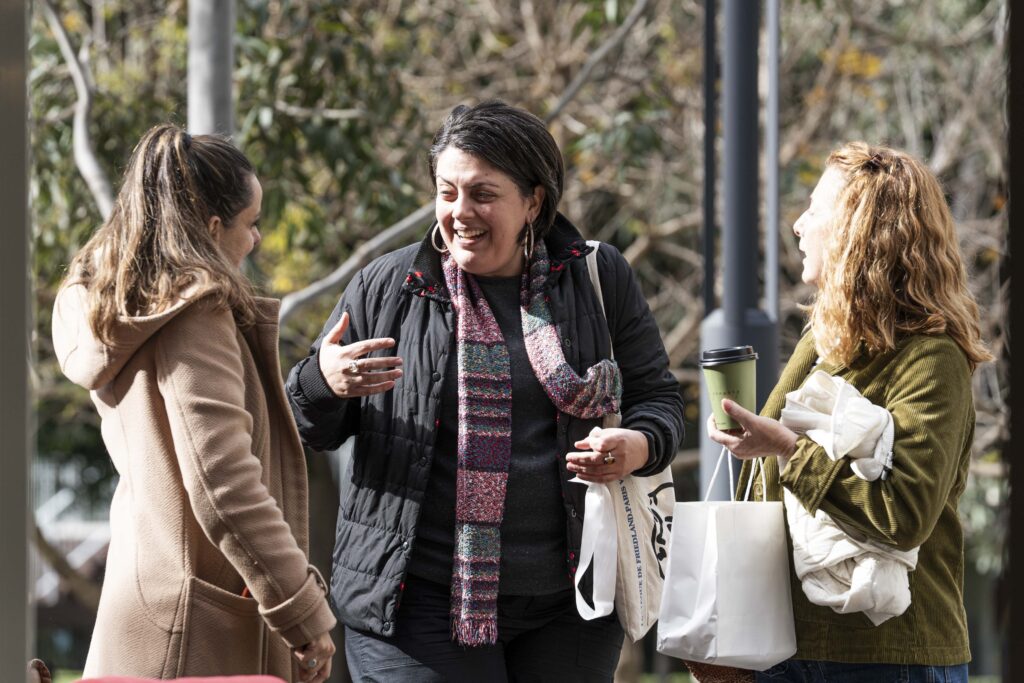
None of this came out of nowhere. Walk into any café or restaurant in the Flour Mill on an ordinary day and you’ll find the same thing happening quietly, all the time. Baristas who know your name, your coffee order, and your holiday plans aren’t just good at their jobs, they’re the reason a lot of people walk through the precinct in the first place. For plenty of regulars, that fifteen-second exchange over the counter might be the most consistent, reliable social contact in their week.
Loneliness Awareness Week didn’t ask local businesses to become something they weren’t. It just gave a name and a moment to something the Flour Mill’s traders already understood: that trade has always been personal, and a good business is, at its core, a place where people belong.
Why it matters
New research shows that 45–54-year-olds, the age group least physically isolated on paper, report the highest rates of loneliness, at 28 per cent.
It’s the sandwich generation: busy with kids, ageing parents, demanding jobs, and little time left over. They’re not missing people around them. They’re missing a moment to actually connect with one.
That’s precisely the gap a precinct full of small businesses is positioned to fill. A puzzle table, a felt-making workshop, a LEGO table (despite the rain), none of it requires a big budget or a formal program. It just requires businesses that see their customers as neighbours, and are willing to open the door a little wider.
That’s the kind of trade that keeps a precinct alive.